Aaron Elias Zachariah

Mechatronics & Applied-AI Engineer · Melbourne, AU

Engineer exploring the intersection of AI and hardware. I am passionate about building intelligent systems, with a strong interest in neural networks and leveraging automation to maximise human output.

Experience

Where I've worked

  1. Jun 2026 – Present

    Technical Branch Lead · Monash DeepNeuron

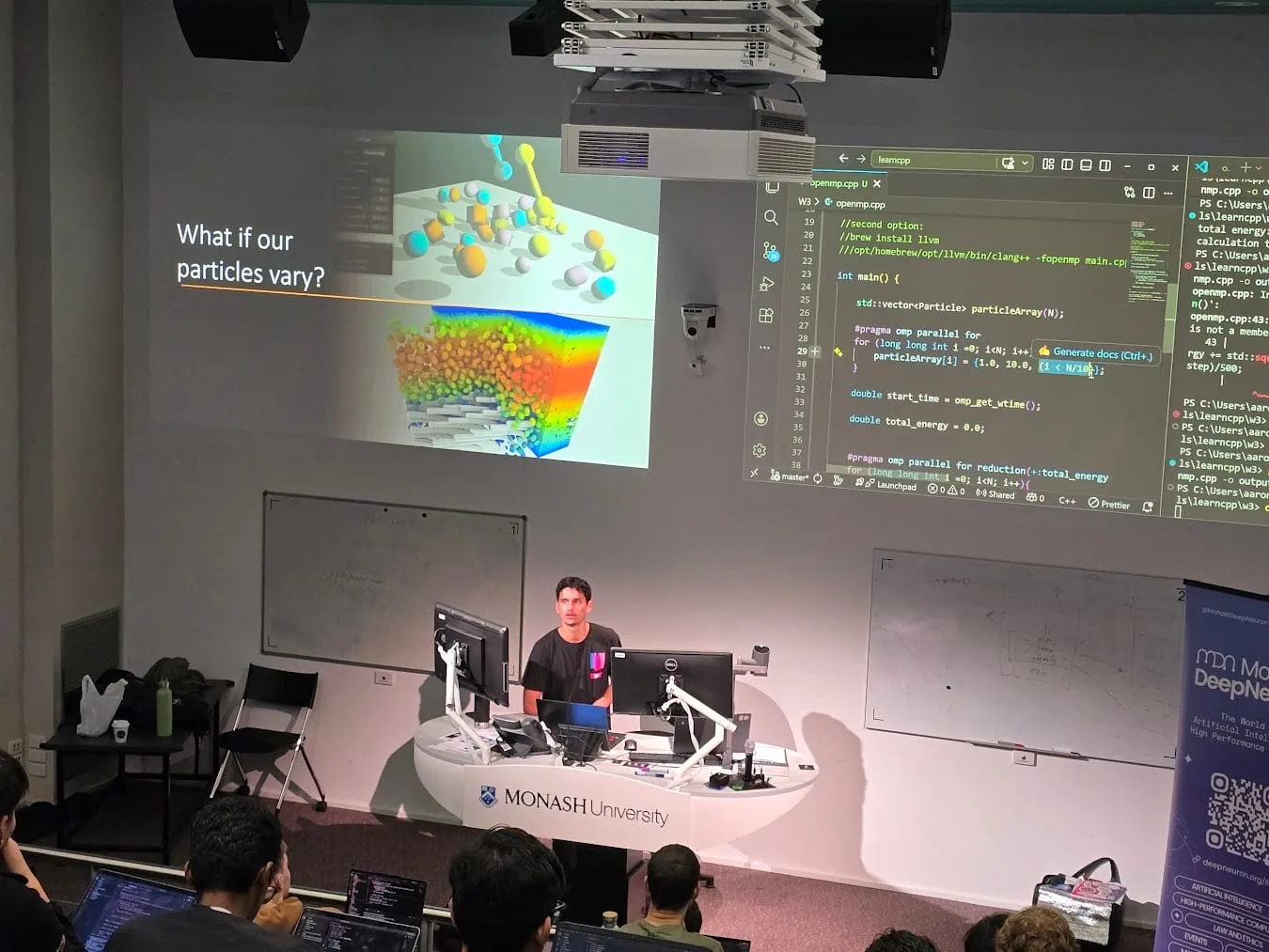
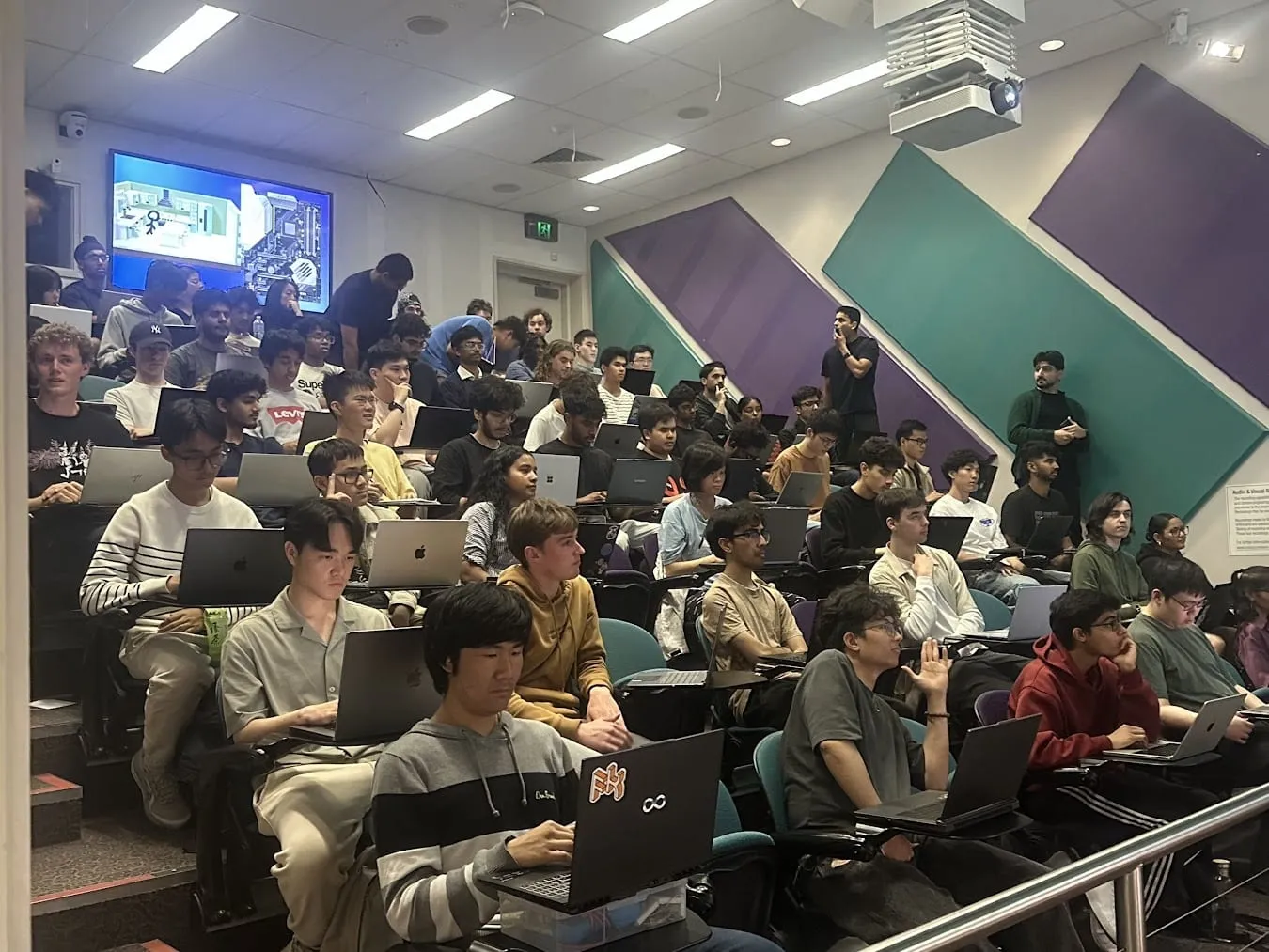
    Leading the technical branch at Monash DeepNeuron, the premier AI and optimised-computing student team at Monash, across the engineering teams. Overseeing around 100 members, mentoring and teaching the next generation of engineers in AI and optimised computing.

    • Directing and guiding 15+ advanced AI and optimised-computing projects across the branch.
    • Serving as a technical recruitment and assessment marker: reviewing applications and interviewing candidates to gauge engineering ability and help select strong additions to the branch.
  2. Apr 2026 – Present

    Full Stack Engineer · Monash University

    MoVA is a large, enterprise-grade RAG (retrieval-augmented generation) assistant built to serve the entire university, securely orchestrating retrieval across institutional student-data systems.

    • Designed and built the core prompt version-control system from scratch to manage and serve modular prompt lifecycles safely across the platform’s environments.
    • Worked on the agentic ingestion pipeline that keeps the knowledge base self-maintaining rather than hand-curated: crawlers sweep institutional sources continuously, and agents parse, structure, and write them into the retrieval store.
  3. Apr 2026 – Jun 2026

    Lead Engineer · MLAI (Contract)

    Led a team of 8 across ML, backend, and infrastructure to build Watt The Hack, a PyPI-published simulation engine and a GKE Autopilot platform that securely ran and scored 160 participants’ untrusted code on a live leaderboard.

    See Watt The Hack →
  4. Jul 2025 – Present

    Optimised Computing Engineer · Monash DeepNeuron

    Built GridLock, a physics- and market-accurate microgrid simulator (AEMO-calibrated battery wear, FCAS, carbon pricing) with adversarial optimisation scenarios and an anti-cheat state allowlist, backed by a substantial test suite. It later became the engine behind Watt The Hack.

  5. Dec 2022 – Jun 2026

    Private Tutor & Learning Coach · Self-employed

    Coached VCE students through Maths Methods and Physics, and just as deliberately through how to learn rather than only what to learn.

    • Helped 15+ students reach a study score of 40+ in VCE Maths Methods and Physics.
    • Built learning systems with them that outlast the exam, grounded in the evidence-based method from Justin Sung’s ICanStudy course.

Selected work

Systems I've built

Full systems, built end to end and labelled honestly: what's live, what's in progress, and what's team work.

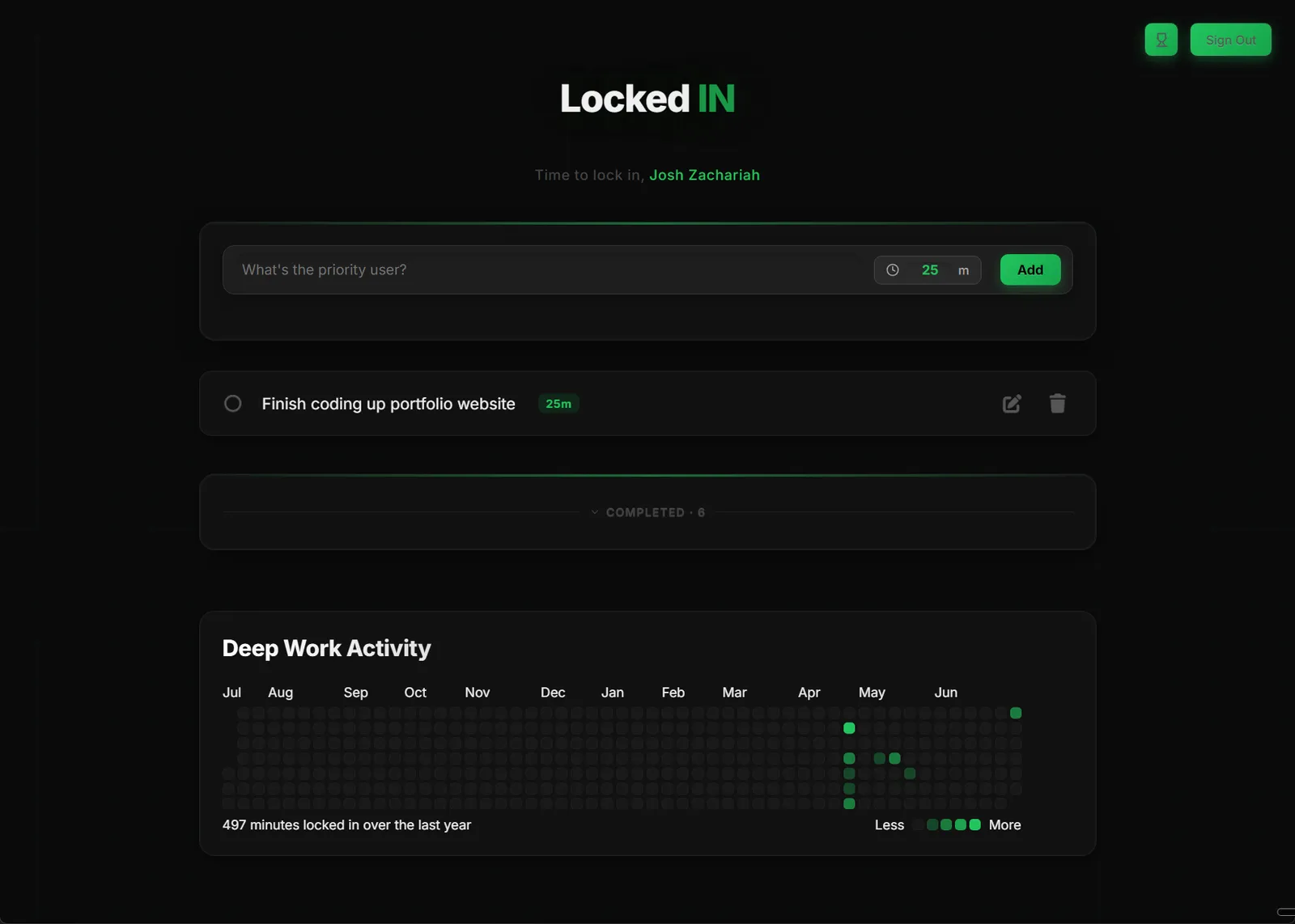
The Locked In dashboard: a focus-task queue with completed sessions and a year-long deep-work activity heatmap.

Locked In

  • Shipped
  • Live

A focus tool that blocks distractions based on what you're actually trying to do, not a fixed blocklist. Shipped to the Chrome Web Store.

  • A full three-tier system: an MV3 extension + a serverless GCP backend (Hono on Firebase Functions) + a React dashboard, coordinated through Firebase Auth.
  • Goal-aware blocking: a quadratics video passes while a gaming video is blocked, served by Gemini 2.5 Flash with Zod-validated input and output.
  • Real cost/latency engineering: a local verdict cache cuts repeat checks from ~300ms to under 10ms.
  • TypeScript
  • React
  • Chrome MV3
  • Firebase Functions
  • Vertex AI · Gemini
  • Hono

Watt The Hack

  • Lead Engineer · MLAI
  • Team

A Kaggle-style competition platform that securely runs and scores untrusted competitor code at scale. I led the engineering.

  • Worked with MLAI to build an energy-grid simulation engine for a live hackathon that drew 160 participants over 22 teams: modelling solar curtailment, demand/price forecasting, frequency response (FCAS), and adversarial cyberattack scenarios, with hidden-variant scoring against optimal-cost baselines.
  • Architected and deployed a Kubernetes-based (GKE Autopilot) evaluation platform that automatically ran and scored every participant’s submitted control algorithm against hidden grid scenarios, powering a live leaderboard.
  • Led a team of 8 engineers across ML, backend, and infrastructure to design, build, and ship the platform end-to-end.
  • Python
  • FastAPI
  • Kubernetes · GKE
  • Docker · Kaniko
  • RabbitMQ
  • PostgreSQL
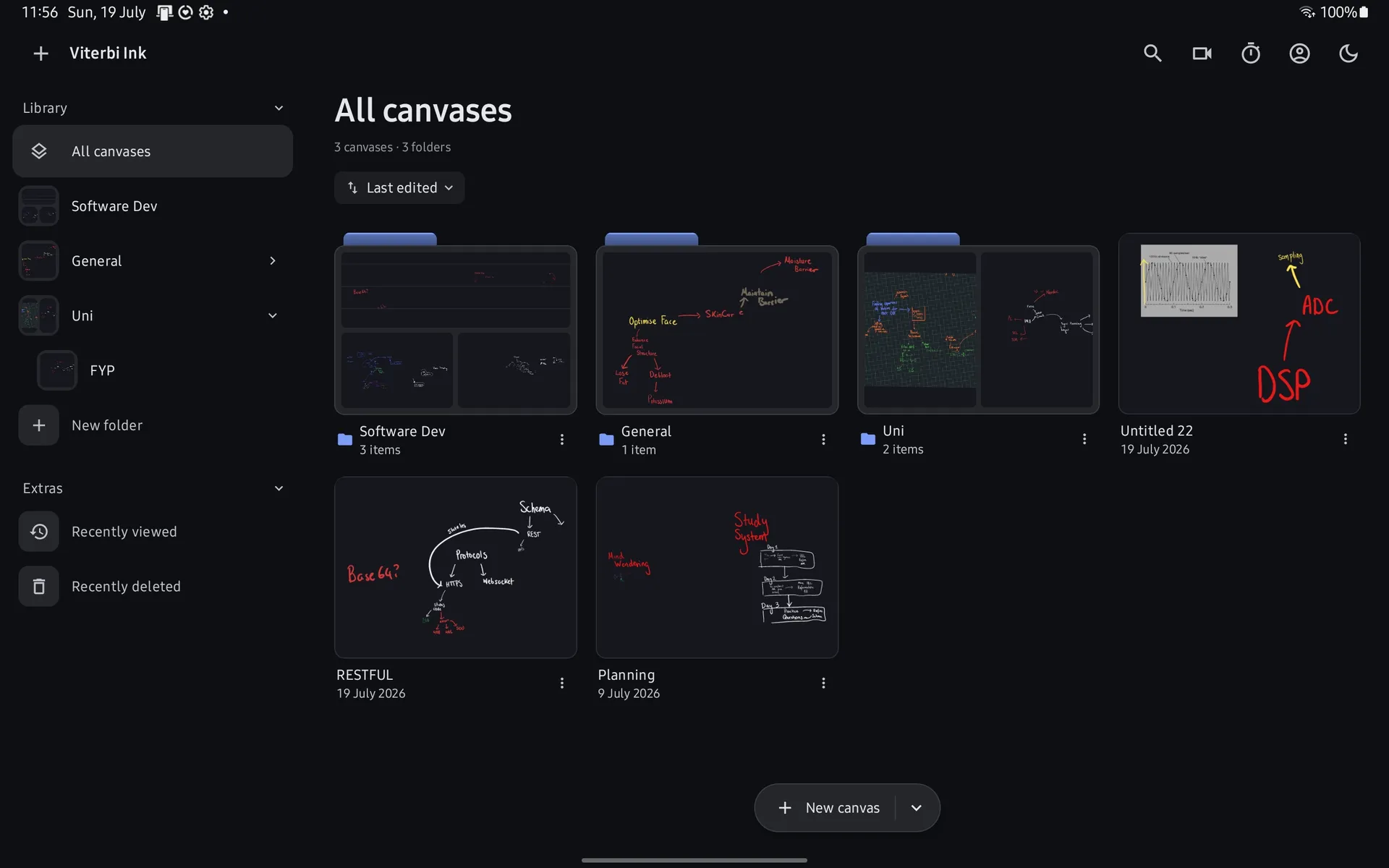
The Viterbi Ink canvas library on a tablet: folders of handwritten canvases.

Viterbi

  • Launching soon

The only infinite-canvas ink and handwriting app on Android: smooth vector strokes on a surface that never runs out of room. Launching soon on the Google Play Store.

  • A pressure-aware vector ink engine: strokes are stored as resolution-independent paths, so handwriting stays crisp at any zoom on an effectively infinite canvas.
  • Built natively with Jetpack Compose and a custom Canvas/graphics pipeline, with pan, zoom, and low-latency stroke capture tuned for stylus input.
  • Kotlin
  • Jetpack Compose
  • Android
  • Canvas / Graphics
  • Vector ink
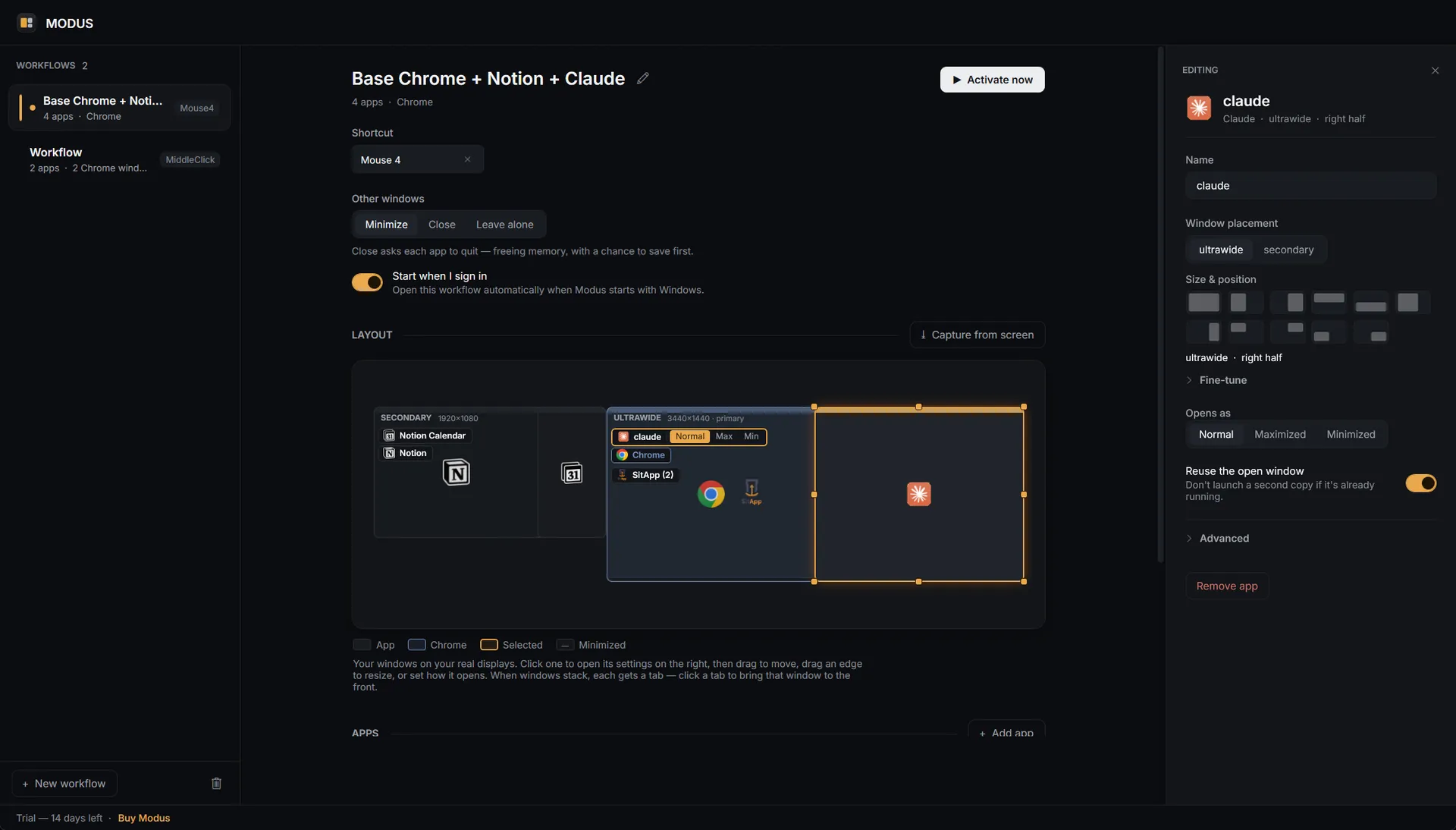
The Modus workflow editor: a saved multi-monitor layout with apps placed on a visual map of the displays.

Modus

  • v0.13.0 released
  • Actively iterating
  • Personal

A Windows 11 tray app that treats a whole working context (apps, a dedicated Chrome profile window, an exact multi-monitor layout) as one named workflow you activate on demand.

  • DPI-safe window placement: positions are stored as fractions of each monitor’s work area, so layouts survive DPI changes and a portrait rotation.
  • Safelist-aware minimize of everything else, four CLI verbs, a tray app with first-run onboarding, and a consumer installer.
  • Ships publicly as a versioned Windows installer with a published SHA-256 checksum; currently v0.13.0, verified live on a mixed-DPI two-monitor desktop.
  • C#
  • .NET 9
  • WPF
  • Win32 API
  • Inno Setup

Gait-Based Early Dementia Detection

  • Final-year project · Monash
  • In development

A self-powered smart insole that captures gait and uses AI to track its variability as an early biomarker of dementia. Predictive, not diagnostic. Built to supplement a GP pathway.

  • A CNN+LSTM model tracks short- and long-term gait variability as an early biomarker of dementia. Predictive, not diagnostic, it supplements a GP pathway.
  • Self-powered hardware: PVDF piezo energy harvesting with hybrid supercapacitor/LiPo storage, FSR pressure sensors and a 6-DOF IMU sampled at ≥100 Hz on a Nordic nRF54L15.
  • Sensor data bursts over BLE to a phone app that runs the model. FYP A (initial paper) done; FYP B (final paper + prototype) in progress, 2026.
  • Nordic nRF54L15
  • PVDF energy harvesting
  • FSR + 6-DOF IMU
  • BLE
  • CNN + LSTM
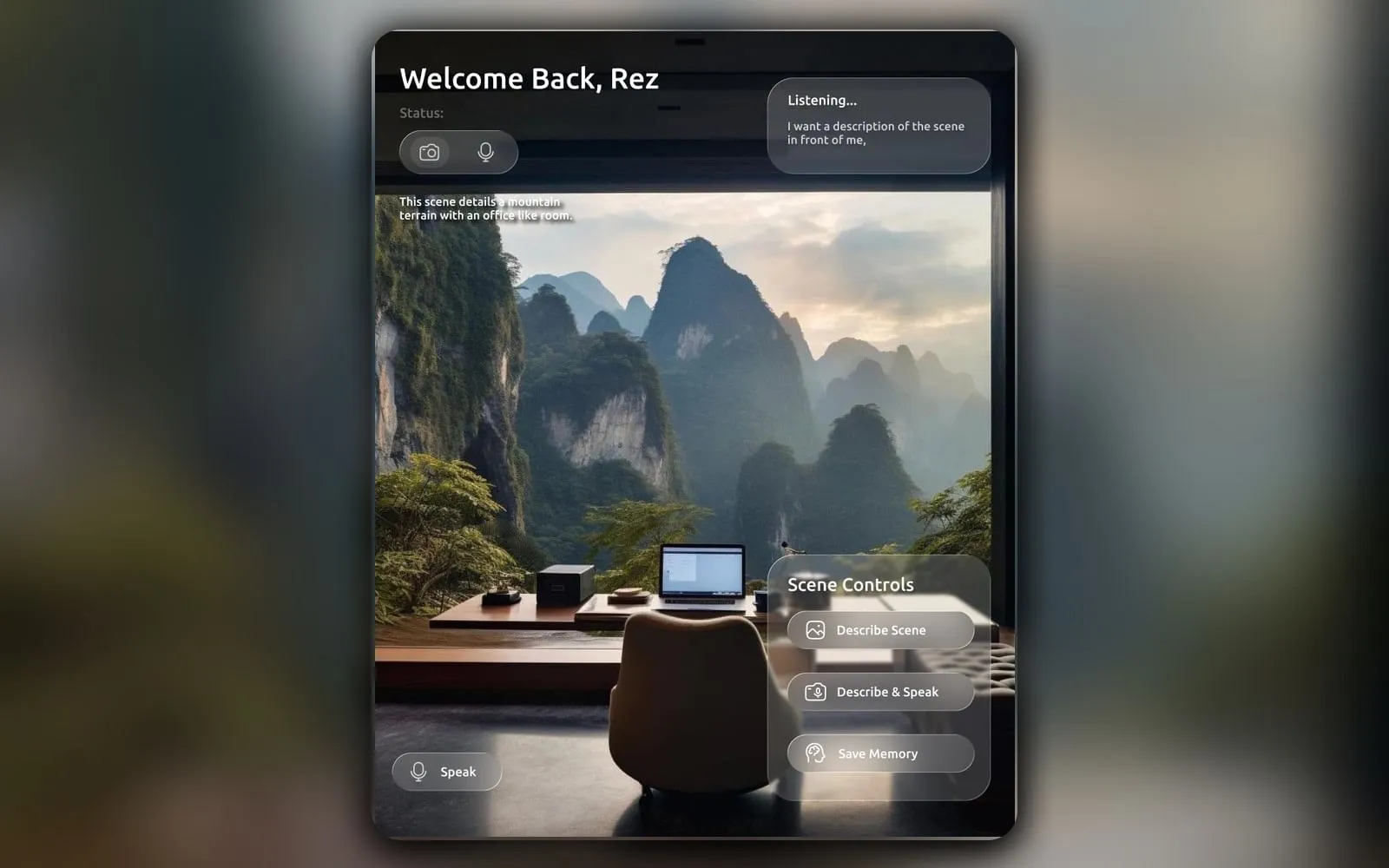
The Omni AR interface describing a live scene: camera view with scene description, voice controls and memory actions.

Omni AR

  • DeepNeuron · Team
  • Completed

An AR assistant that watches a scene, remembers it, and answers questions about it later. Built for everyday recall, and for people living with memory impairment.

  • A hand-rolled vector memory store with normalized cosine similarity, time-windowed recall, and disk persistence.
  • A low-latency streaming voice pipeline: Whisper → Gemini intent router → sentence-chunked parallel TTS over SSE, tuned for time-to-first-audio.
  • Python
  • Flask
  • React
  • Gemini Vision
  • Whisper
  • SSE
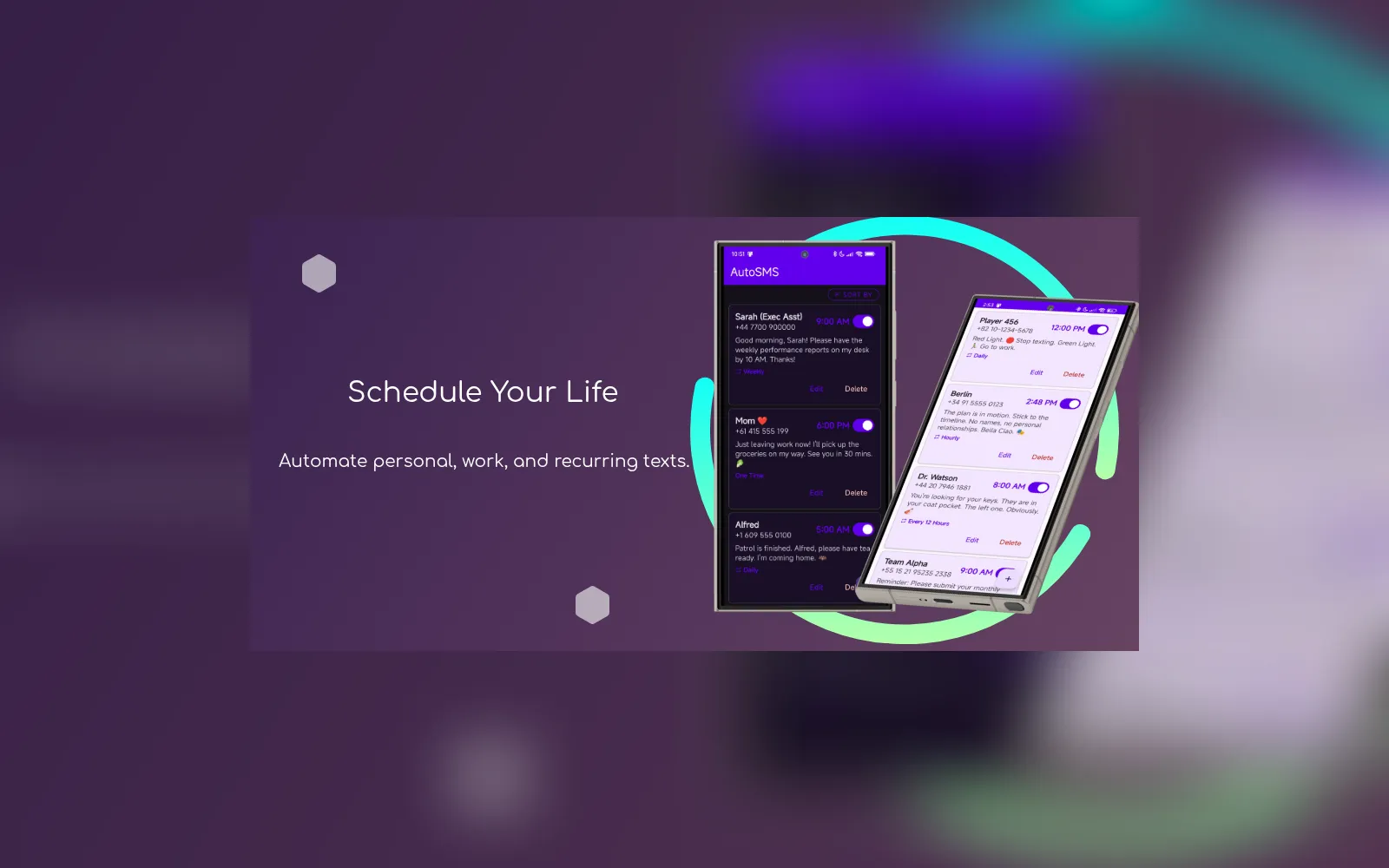
The AutoSMS Play Store feature graphic: scheduled texts shown on two phones, captioned 'Schedule Your Life'.

AutoSMS

  • Live on Google Play

An AI-powered daily SMS scheduler for Android, in clean MVVM Kotlin with production-grade rate-limit backoff.

  • Clean MVVM Kotlin with production-grade rate-limit backoff.
  • Kotlin
  • WorkManager
  • Room
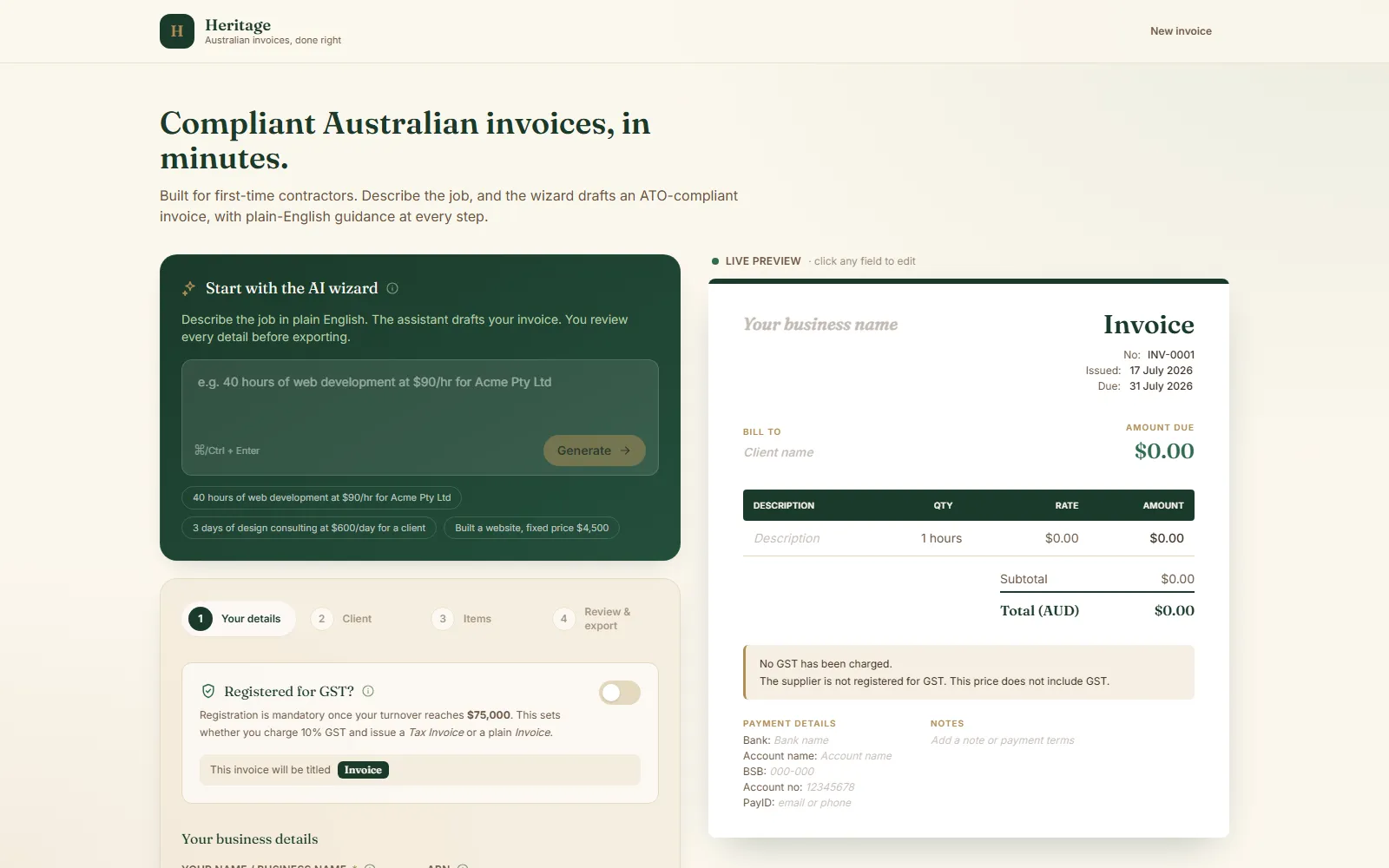
The Heritage wizard: describe a job in plain English on the left, a live ATO-compliant invoice preview on the right.

Heritage

  • Shipped

Describe a job in plain English; get a compliant, print-ready Australian tax invoice in one click.

  • Real ATO tax logic as a single source of truth: GST titling, the $1,000 buyer-ID rule, 47% no-ABN withholding, and a genuine ABN checksum.
  • Plain English → strict JSON via OpenAI Structured Outputs, with an offline fallback parser so it still works with no API key.
  • React
  • Vite
  • OpenAI Structured Outputs
  • @react-pdf
  • Vercel
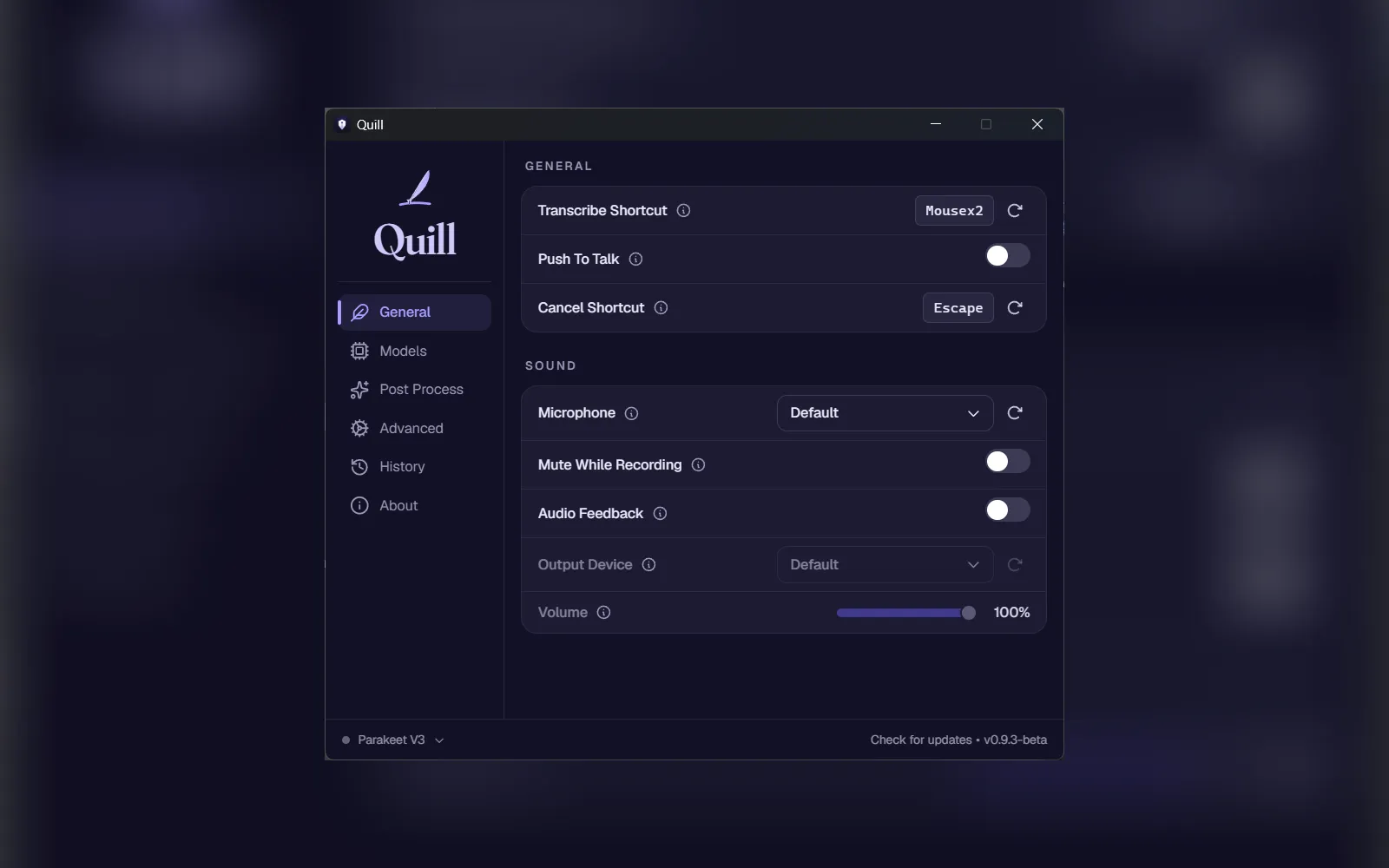
Quill's settings: transcription shortcut, push-to-talk and on-device model options.

Quill

  • Open source
  • Fork of Handy

A free, open-source speech-to-text desktop app that works completely offline: press a shortcut, speak, and your words appear in any text field.

  • Privacy-focused and fully on-device: transcription happens locally, without sending any audio to the cloud.
  • A fork of Handy by cjpais. The offline transcription foundation is upstream’s work. My contribution is the app-aware post-processing layer the original didn’t have. It formats dictation for the app you’re focused on: code in an editor, a structured email in Outlook, a quick line in Slack.
  • Added local-model integration with Ollama and LM Studio, so transcription can run on fully local models of your choice.
  • Rust
  • Tauri
  • React
  • TypeScript
  • Whisper
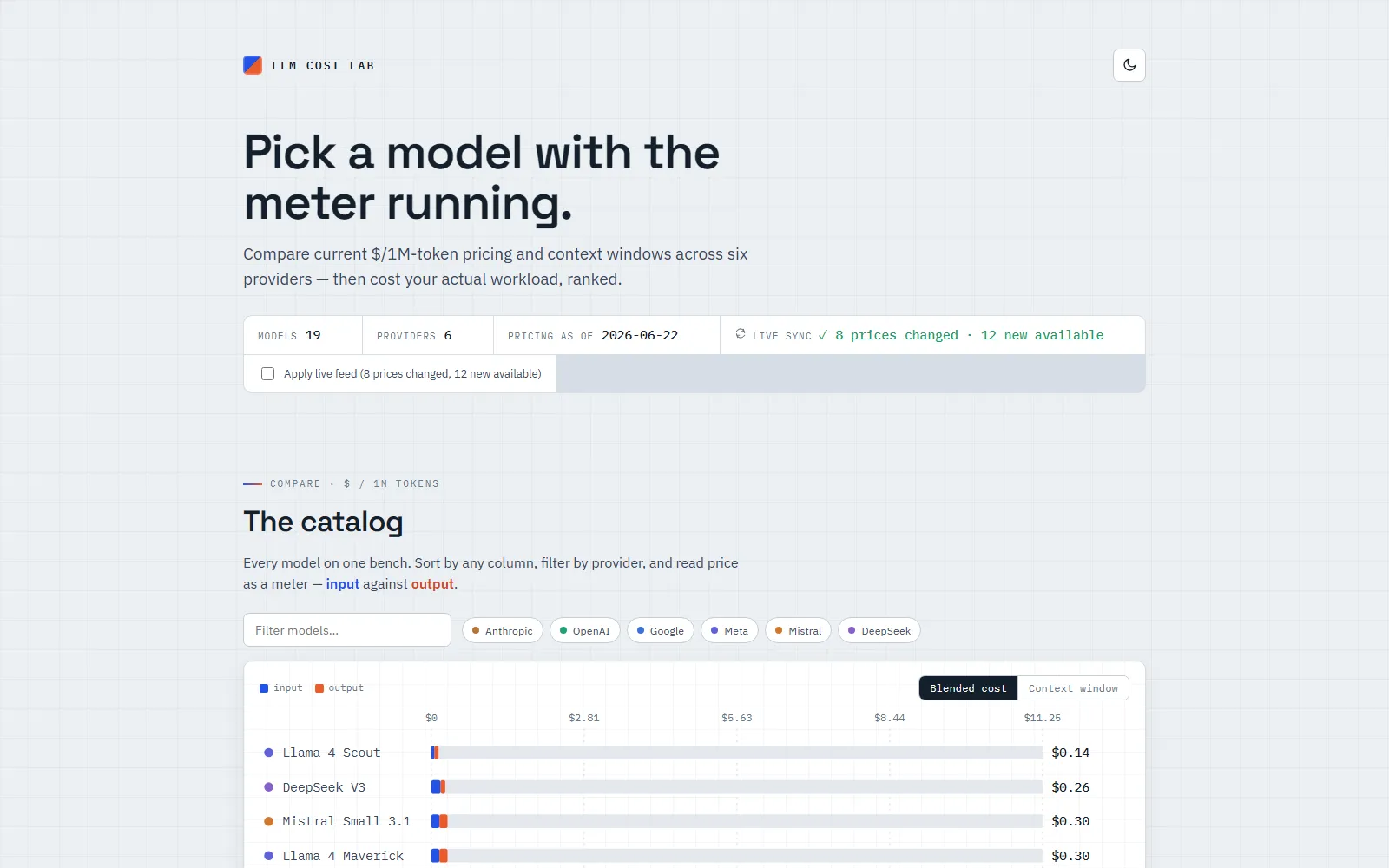
The LLM Cost Lab catalog: blended $/1M-token cost meters across providers, with live-sync pricing.

LLM Cost Lab

  • Personal

Compare current (2026) AI model pricing and context windows side by side, then estimate what a real workload would cost per month.

  • Covers Anthropic, OpenAI, Google, Meta, Mistral, and DeepSeek: a sortable spec table, $/1M-token meters, and an estimator that ranks every model by monthly cost for your workload.
  • A self-contained, dependency-light single-page app (no backend, no tracking, no API keys) built with Vite and strict TypeScript, with the cost math covered by vitest.
  • TypeScript
  • Vite
  • Hand-rolled SVG charts
  • vitest

Other builds

  • FrameLift Turn a phone video into a publish-ready still: AI frame selection, HDR-correct colour, and 4× upscaling.
    Python · OpenCV · PyTorch Source
  • Recess Put your LinkedIn feed on a curfew: one mindful 30-minute session a week. Messaging, jobs, and search stay open.
    JavaScript · Chrome MV3 · Shadow DOM Source coming
  • Forge A local-first TypeScript AI agent framework with a pluggable provider layer. Early scaffold: the public types and module layout are in place; implementations land module by module.
    TypeScript · zod · vitest Source coming
  • Pegasus A personal AI agent I run on my own machine and reach from my phone. The interesting part is the permission layer: it asks before doing anything it can't undo.
    TypeScript · Claude Agent SDK · Fastify · Next.js PWA · Tailscale Writeup coming
  • Relay An offline-first AI messaging engine for small business: scheduled SMS/WhatsApp campaigns and a 24/7 AI auto-responder.
    TypeScript · Expo · React Native · Hono · Drizzle · PostgreSQL · Twilio Source

Hi, I am Aaron. I am a lifelong learner and competitor.

I’ve always been fascinated by human performance, both mental and physical. I read heavily across psychology, neuroscience, and philosophy to figure out how we think, how groups make decisions, and what is genuinely worth pursuing.

For the last decade, I’ve used my own life as the testing ground for those ideas. I stay highly active through sports and nutrition, and I’m constantly experimenting with how we learn, how to build better habits, and what it actually takes to operate at a high level.

Ultimately, I want to use what I've learnt to help others perform at their peak. I approach that challenge from two angles: teaching the frameworks of mastery, and engineering the tools that make it possible.

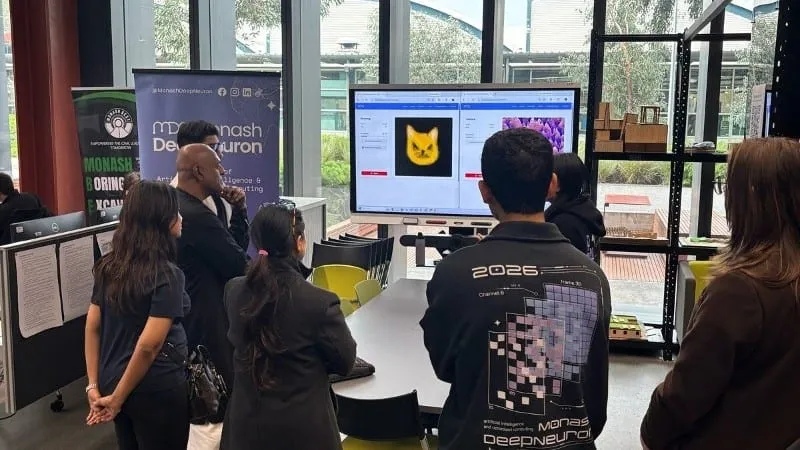
  • Visitors at a Monash DeepNeuron showcase booth watching an Omni AR demo.
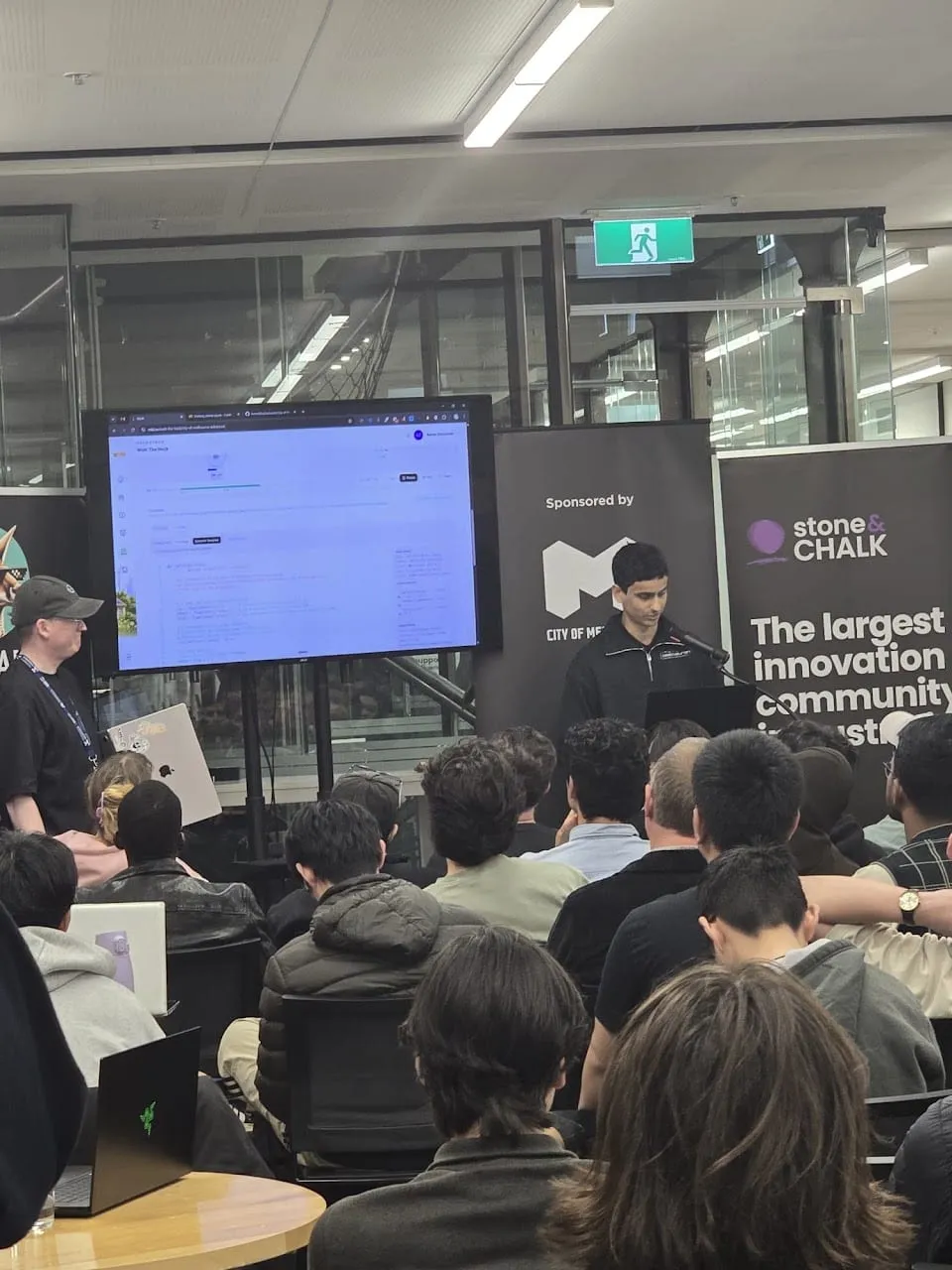
  • Presenting the Watt The Hack platform at Stone & Chalk, Melbourne.

Contact

Say hello.

Open to internships, new-grad roles, and collaborations. The fastest way to reach me is email.